
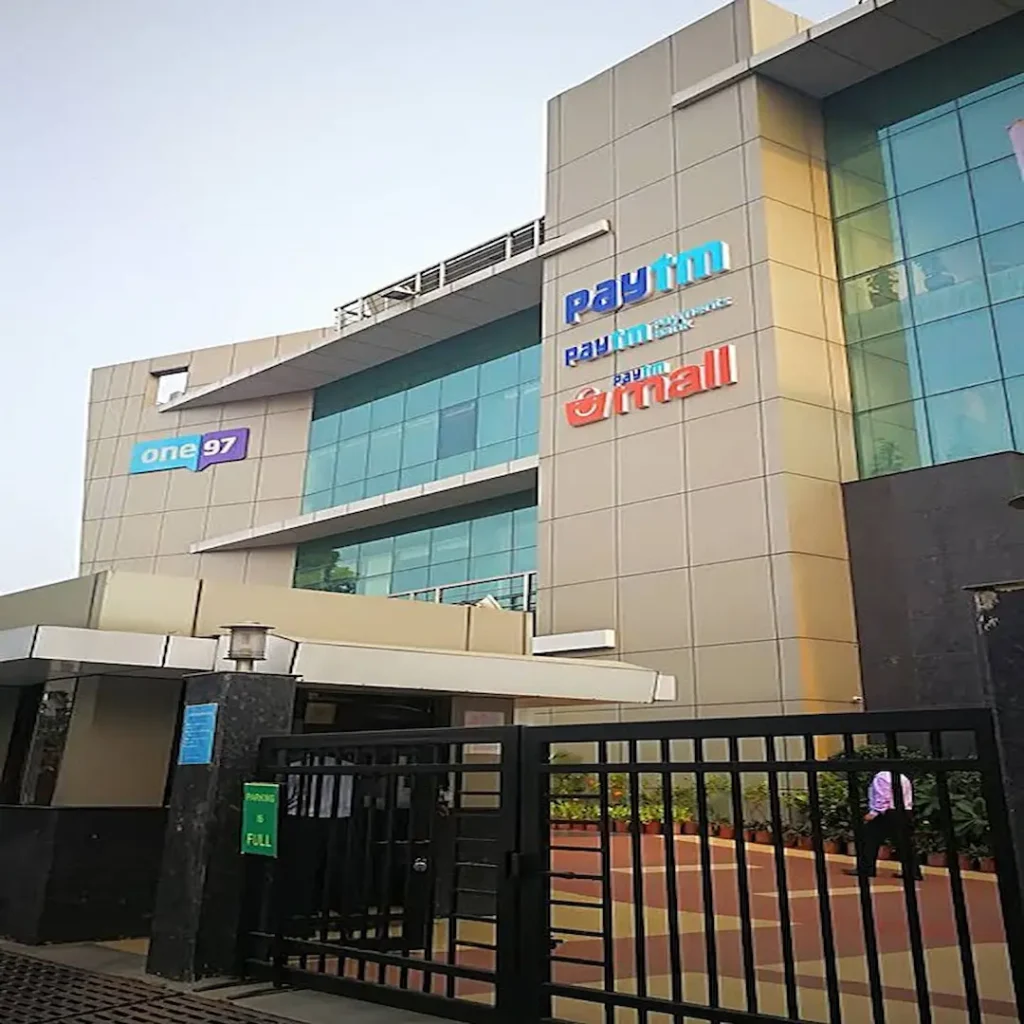
This Paytm case study for MBA and BBA students looks at one of India’s most important fintech regulatory stories. Paytm built India’s biggest digital payments brand. Then its own banking arm lost its license and shut down. The app itself kept running, even though the bank behind it did not.
This case teaches something most business news misses. A single unit inside a large company can fail, without pulling the whole company down with it, if the structure is right. That single point makes this a rich lesson in corporate structure, compliance, and regulatory risk.
Quick Summary
- Company: One97 Communications (Paytm) and its former unit, Paytm Payments Bank
- Core challenge: A payments bank kept failing compliance checks, until the regulator shut it down entirely
- Subject area: Corporate Finance, Regulatory Compliance, Risk Management
- Key takeaway: Corporate structure can contain risk. Paytm’s app and UPI business survived because the failing bank was a separate, ring-fenced entity.
Company and Industry Overview
This part of the Paytm case study traces the company from a small content service to a fintech giant. Vijay Shekhar Sharma founded One97 Communications in 2000 in New Delhi. The firm first sold ringtones and cricket score alerts to phone companies. It was a modest start for what became a national brand.
Paytm launched in 2009 as a recharge and bill payment app. Growth stayed steady for years. Then India’s 2016 demonetization drive pushed millions toward digital payments almost overnight. Paytm rode that wave hard.
In 2017, Paytm Payments Bank was born. Vijay Shekhar Sharma held 51% of it personally. One97 Communications held the other 49%. This split ownership mattered more than most people realized at the time.
By November 2021, One97 Communications went public. It was India’s largest IPO ever, raising about ₹18,300 crore. The stock fell nearly 27% on its first trading day. Investors were skeptical from day one, even before any regulatory trouble began.
The Strategic Challenge
Here is the core problem in this case. A part of the Paytm empire kept failing basic banking compliance, and the regulator ran out of patience.
In March 2022, the Reserve Bank of India barred Paytm Payments Bank from onboarding new customers. The reason: “material supervisory concerns.” An IT systems audit followed. It found ongoing problems, not a one-time slip.
In October 2023, the RBI fined the bank ₹5.39 crore for compliance failures. Then came the big one. On January 31, 2024, the RBI ordered a near-total halt to Paytm Payments Bank’s operations. No new deposits, no credits, and no top-ups would be allowed in wallets, FASTags, or accounts, after February 29, 2024.
The market reaction was brutal. Paytm’s stock lost 20% in a single session, not once but twice in a row. Within three weeks, the stock had fallen 55% from its pre-announcement level. It closed out February down 58% for the month alone, and stood roughly 77% below its original IPO price.
Ask yourself this as a student: how do you keep a trusted consumer brand alive, when the banking unit inside it just got switched off by the regulator?
Business Model Breakdown
Paytm’s business runs across several linked but separate units:
- Paytm app and UPI: The part people use every day, for QR codes, bill payments, and sending money
- Paytm Payments Bank: A separate bank, licensed on its own, owned mostly by the founder himself, not by the listed company
- Merchant services: Soundbox devices, card machines, and payment tools sold to shops and small businesses
- Financial services: Loans, insurance, and investment products, offered through partner firms
This split is the whole story here. Money comes in from fees on each transaction, fees from shops, and a cut of financial products sold. Costs go toward tech, compliance staff, and a large support team across India. The bank ran into trouble. But the app, the UPI handle, and the shop tools stayed apart from it. That split is exactly what kept them running.
Framework-Based Analysis: PESTLE
A PESTLE framework fits this case better than SWOT or Ansoff. Why? Most of the forces in this story came from outside the company. They did not come from its own choices.
| PESTLE Factor | How It Applied to Paytm |
| Political | The RBI, a state regulator, took direct, repeat action against the bank |
| Economic | The stock crash wiped out value fast. Paytm itself expected a ₹300–500 crore hit to yearly profit |
| Social | Users panicked and rushed to pull their money out. Startup founders across India asked the state to go easy on the firm |
| Technological | An IT audit found ongoing rule breaks inside the bank |
| Legal | Years of warnings ended in a fine. Then came a full license pull, and a court case to wind up the bank |
| Environmental | Not a big factor here, unlike most factory or goods cases |
Notice how little of this story sat under Paytm’s own control. The firm could not out-plan a regulator. RBI staff had already judged the bank’s record beyond repair. What Paytm could control was containment. It kept the failure inside one legal box, instead of letting it spread to the whole business.
Financial Snapshot
(Data as of July 2026. Figures are compiled from public reporting, listed in the sources section below.)
| Milestone | Value | Date |
| IPO size | ₹18,300 crore (about $2.5 billion) | November 2021 |
| First-day stock drop | Nearly 27% | November 2021 |
| RBI bars new customer onboarding | — | March 2022 |
| RBI compliance penalty | ₹5.39 crore | October 2023 |
| Stock crash after restrictions | Down 55% in three weeks | Feb 2024 |
| Stock vs. IPO price | Down about 77% | February 2024 |
| Estimated annual Ebitda hit | ₹300–500 crore | Company estimate, Feb 2024 |
| PPBL deposits | ₹1,395 crore | As of March 2025 |
| PPBL net loss | ₹94.64 crore | As of March 2025 |
| RBI cancels PPBL banking license | — | Effective April 24, 2026 |
| Official liquidator takes over PPBL board | — | July 8, 2026 |
Paytm’s parent firm said the license loss caused no direct money hit. Why? It had already written off its stake in the bank back in March 2024. That one line tells you a lot. The firm had, in effect, already priced in the bank’s failure two full years before the license was actually pulled.
Outcome and Current Status
The RBI’s April 2026 decision closed a chapter four years in the making. Regulators cancelled Paytm Payments Bank’s license entirely. This took effect from the close of business on April 24, 2026. Banking activity of any kind was now barred under India’s Banking Regulation Act. The RBI also said it would ask the High Court to begin formal winding-up proceedings.
By July 2026, an official liquidator had taken over the bank’s board. The bank itself, once a flagship product, no longer exists in any real sense.
Paytm’s core business kept moving all the while. The app, UPI, Paytm Gold, QR payments, Soundbox, card machines, and the payment gateway all stayed live. They run through other banking partners and separate firms, not through Paytm Payments Bank. The company reported revenue of about ₹9,977 crore for FY24. It had already begun shifting its story from growth toward profit.
Not everything survived untouched, though. Paytm’s lead in UPI transactions faded well before the license was cancelled. PhonePe and Google Pay now handle roughly 80% of India’s UPI volume between them. Paytm’s share has slipped to somewhere around 12 to 15%, down sharply from its old spot at the top. The bank’s collapse did not sink the company. But it clearly cost Paytm its lead in the market it once pioneered.
Key Learnings for MBA and BBA Students
- Corporate structure can contain risk. Paytm Payments Bank was a separate legal entity. Its failure did not legally or financially cripple the parent company.
- Regulatory warnings tend to escalate, not fade away. A 2022 ban, a 2023 fine, and 2024 restrictions all pointed to the same end: a 2026 license cancellation.
- Compliance failures cost the market long before the final penalty. Paytm’s stock lost most of its value in 2024, two full years before the license was revoked.
- Separation protects the brand, but only so much. The Paytm app survived. Still, the company lost its lead in UPI market share to rivals.
- Personal ownership of a subsidiary adds complexity. The founder held 51% of the bank himself. The listed company held 49%. That split shaped how the crisis was contained.
- Writing down a failing asset early can soften a later shock. The firm wrote off its investment in the bank back in 2024. That’s why it could say the 2026 cancellation caused no direct financial hit.
Discussion Questions
- If you were advising One97 Communications in 2022, right after the first RBI ban, what compliance step would you fix first?
- The founder owned 51% of the bank himself, while the listed company owned the remaining 49%. How does that split change your view of the crisis?
- Look at the PESTLE table above. Which single factor drove the bank’s final license loss the most, and why?
- Paytm’s app survived. Its bank did not. What does this teach about how firms should structure risky new business lines?
- Compare Paytm’s regulatory crisis to Byju’s financial collapse. One came from an outside regulator. The other came from internal money trouble. Which is harder for a firm to recover from?
Related Case Studies
- Byju’s Case Study for MBA: $22B to Insolvency
- Zomato–Blinkit: A Diversification Case Study (not yet published)
Sources
- RBI — Press release cancelling Paytm Payments Bank’s license, April 2026
- Business Standard — RBI extends PPBL restriction deadline to March 15, 2024
- Business Standard — One97 Communications stock drop, 77% below IPO price
- Business Standard — Paytm down 58% in February 2024
- Business Standard — Paytm hits record low, RBI onboarding ban, March 2022
- Wikipedia — Paytm Payments Bank
- Wikipedia — One97 Communications
- Upstox — RBI ends Paytm Payments Bank license, April 2026
Frequently Asked Questions
What is the Paytm case study about?
It covers how Paytm Payments Bank, a separate unit inside the larger Paytm business, lost its license after years of regulatory warnings. The main Paytm app and UPI business kept running the whole time.
Why did the RBI cancel Paytm Payments Bank’s license?
The RBI pointed to ongoing non-compliance and supervisory concerns. This followed a 2022 onboarding ban, a 2023 fine, and tough 2024 restrictions that were never fully fixed.
Is the Paytm app still working?
Yes. The Paytm app, UPI, QR payments, Soundbox, and payment gateway all still work. They run through other banking partners, not through Paytm Payments Bank.
Which business framework best explains this case?
PESTLE fits well. Political, legal, and economic forces outside the company’s control drove almost the entire outcome.